Dayton, Liberty County & nearby east Houston-area towns
Roofing in Dayton, TX: repairs, leaks & storm damage
Water coming through the ceiling after a downpour, shingles torn loose by a thunderstorm, or a roof that has baked in too many Texas summers? Call one number and get connected with an independent, local roofer who works Dayton and the towns around it.
Free referral service. You're connected to an independent provider who sets its own prices.
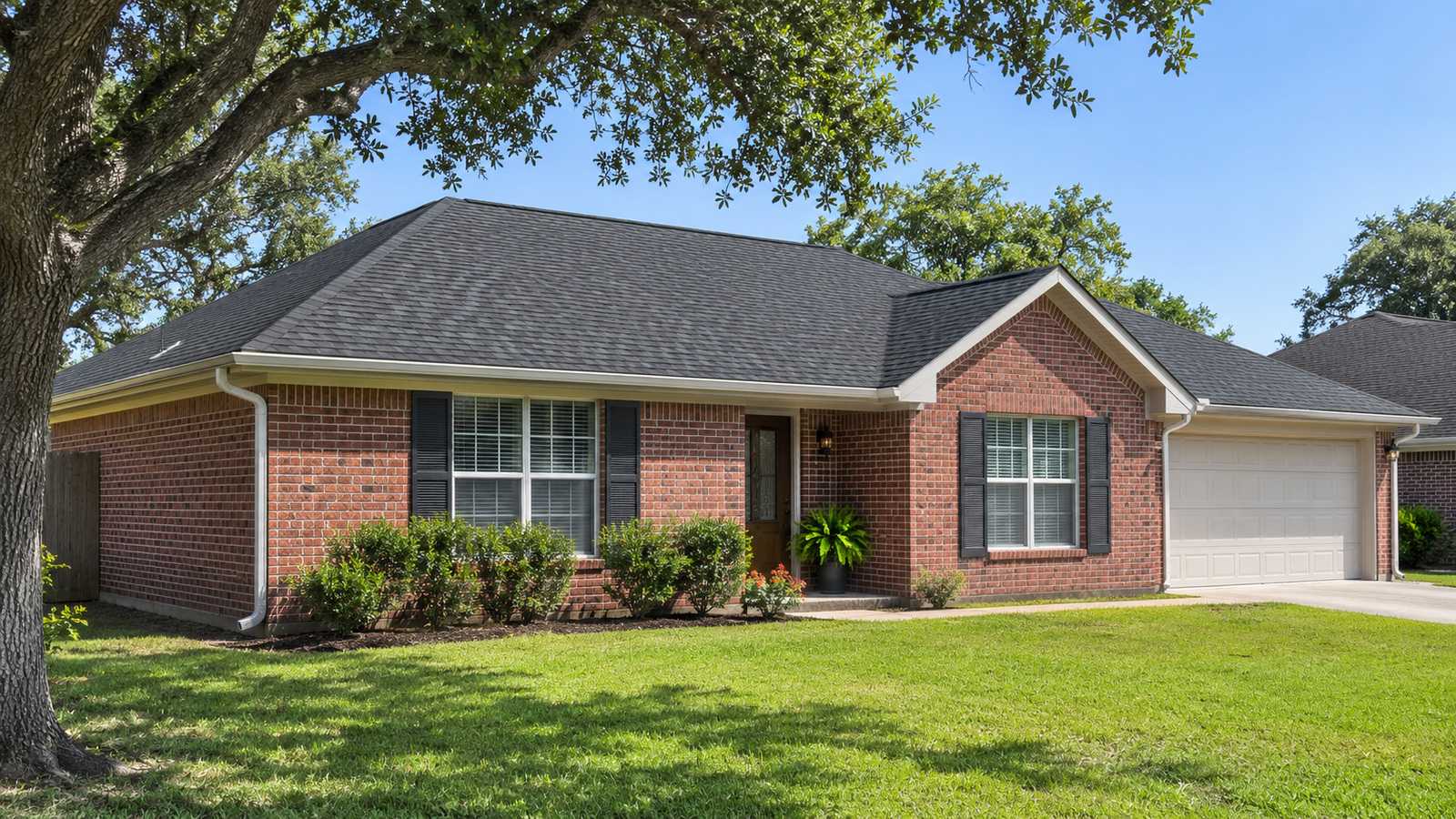
What to call about
Roofing problems we connect you for
Each page explains common causes and what to check before a pro arrives.
Match the symptom
Roof problems around Dayton, TX, by type
Hot summers, hard thunderstorms and the occasional tropical system all test a roof in this part of southeast Texas. Most calls fall into four groups. Find yours and describe it the same way when the call connects.
Loose, cracked or missing shingles and flashing
Sun, heat and wind loosen shingles over time, and flashing around chimneys, vents and walls is a common weak point. A few damaged pieces are usually a repair. See roof repair in Dayton and nearby towns for the common causes.
Ceiling stains and drips in hard rain
Water often travels along rafters before it shows up, so the stain is not always under the entry point. Read roof leak repair for what to check in the attic and what to photograph.
Wind, hail or falling limbs after a storm
Torn shingles, hail bruising and limbs on the roof need a careful look from the ground first. The page on storm and hail roof damage covers what to document and when to get a tarp on.
A roof that is worn out
Curling or bare shingles, granules in the gutters and leaks in several spots point to a roof near the end of its life. See roof replacement before you decide.
Service area
Towns covered
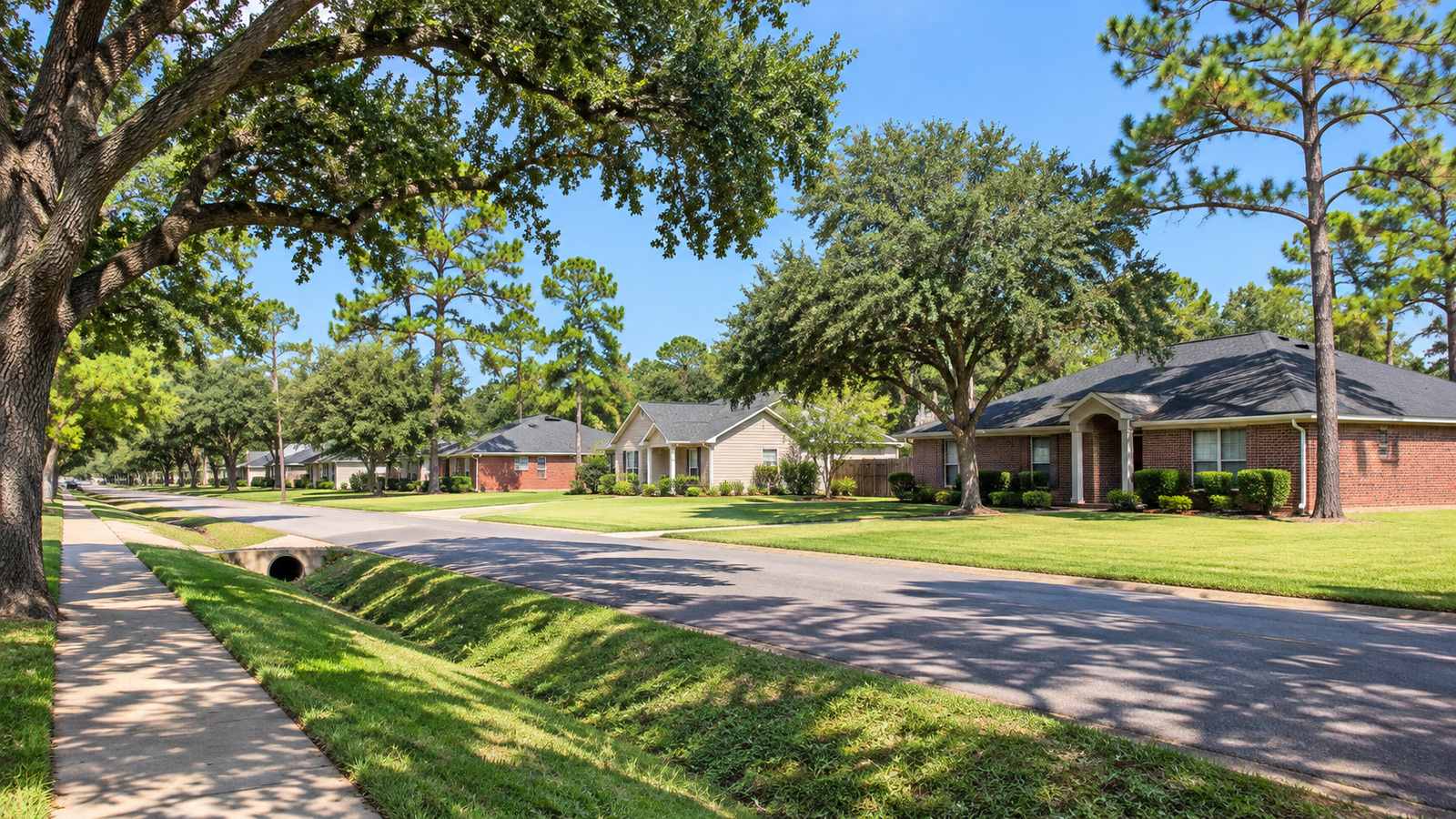
The pages cover three counties. In Liberty County: Dayton, Liberty and Cleveland. In Harris County: Crosby, Huffman, Highlands and Baytown. In Chambers County: Mont Belvieu.
Each town page lists its ZIP code and describes the housing and roof questions that come up there, from older homes to newer subdivisions. If your town is not listed, call anyway and ask whether a roofer can reach you.
Before you call
Before you call: three safe checks
- Walk the yard. Look for shingles, granules or metal pieces on the ground, dented gutters and vents, and limbs on the roof. Take photos from the ground.
- Find where the water is. Note which room, which ceiling and whether it drips only in hard, wind-driven rain. A quick look in the attic with a flashlight helps if it is safe to get there.
- Keep it safe inside. Put a bucket under drips and move electronics. If water is near a light or ceiling fan, switch that circuit off at the breaker. Do not go up on a wet or damaged roof.
Cost
What affects the cost of roof work in the Dayton area?
This site lists no prices. The independent roofer you are connected with sets them, and they depend on the roof. These are the usual drivers.
- Repair or replacement. Fixing a few shingles and replacing the whole roof are very different jobs. A roofer who looks at the roof can say which one fits.
- Size, pitch and layers. Bigger, steeper roofs and roofs with older layers to tear off take more material and time.
- Condition of the decking. Soft or wet decking found once the old roofing is removed can add to the job. Ask how that is handled and priced.
- Storm timing. After a major storm, many homeowners call at once. Scheduling can be tight and temporary tarping may come first. Ask what is recommended.
- Materials and details. Shingle line, underlayment, flashing and ventilation all change the total. Ask for them in writing.
Ask the roofer for the price and a written scope before work begins. Texas has no state roofing license, so ask for proof of insurance and local references. You can say no and call someone else.
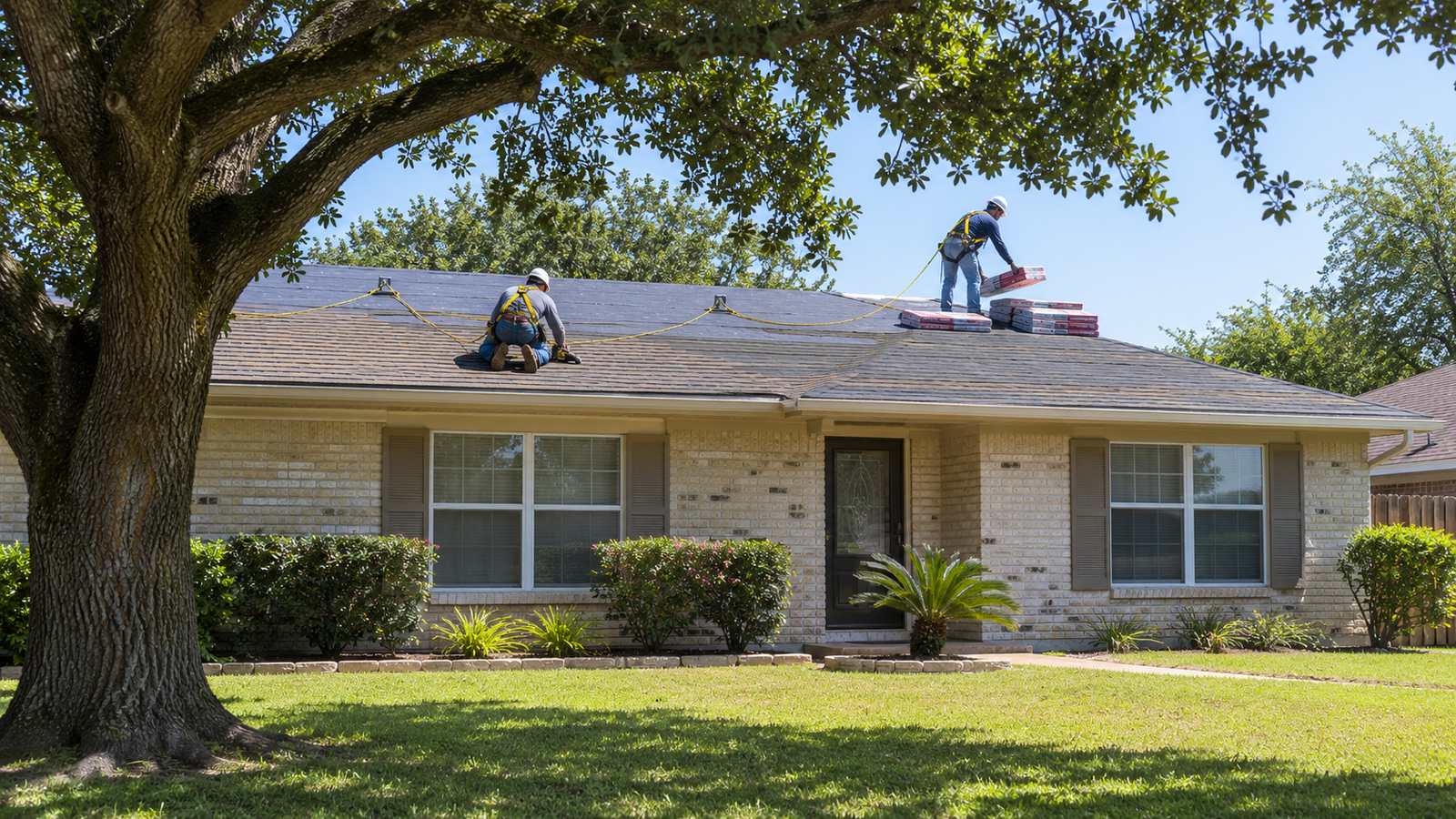
- Stay off a wet or damaged roof. Take photos from the ground. If water is coming in, put a bucket under it and move belongings away.
- Call the number on this page. The call is free and goes to a call-routing service, not to someone at this website.
- Say what you see. Where the damage or stain is, when it started, what the weather was, and roughly how old the roof is.
- Talk about timing and price with the provider. You are speaking with an independent roofer. Ask about insurance, references and when they can look at it.
- Decide. You choose whether to book. The roofer, not this website, is responsible for the work.
Questions
How this works
Who will I actually be talking to?
Dayton TX Roofing is a free referral service, not a roofing company. When you call, you are connected to an independent, local roofer that serves your area. That company does the work, sets the price and is responsible for its insurance and workmanship.
Does the call cost anything?
No. The call and the referral are free for you. You only pay the roofer for work you agree to, so ask for a written estimate before they start.
Which towns do you cover?
Dayton, Liberty and Cleveland in Liberty County, plus Crosby, Huffman and Highlands in Harris County, Texas. Coverage depends on provider availability.
Does Texas license roofers?
Texas does not license roofing contractors at the state level. Ask any roofer for proof of insurance, a written estimate, a local address and references, and check whether a permit is required where you live.
Will the roofer handle my insurance claim?
The claim is between you and your insurance company. A roofer can show you the damage and give you an estimate, but in Texas a contractor doing the work may not act as your public adjuster or offer to cover your deductible.
Should I cover a damaged roof myself?
Only from the ground or a safe spot inside the house. Do not climb onto a wet or damaged roof. Take photos and call; the roofer can tell you whether a tarp is needed and who can put one on.
Why is there no price on this site?
Because the independent roofer sets the price and it depends on the roof, the damage and the schedule. Ask for the price and a written scope before work starts.
Free call, no obligation
Talk to a local roofer now
You'll be connected to an independent local provider. Ask about pricing before any work starts.